
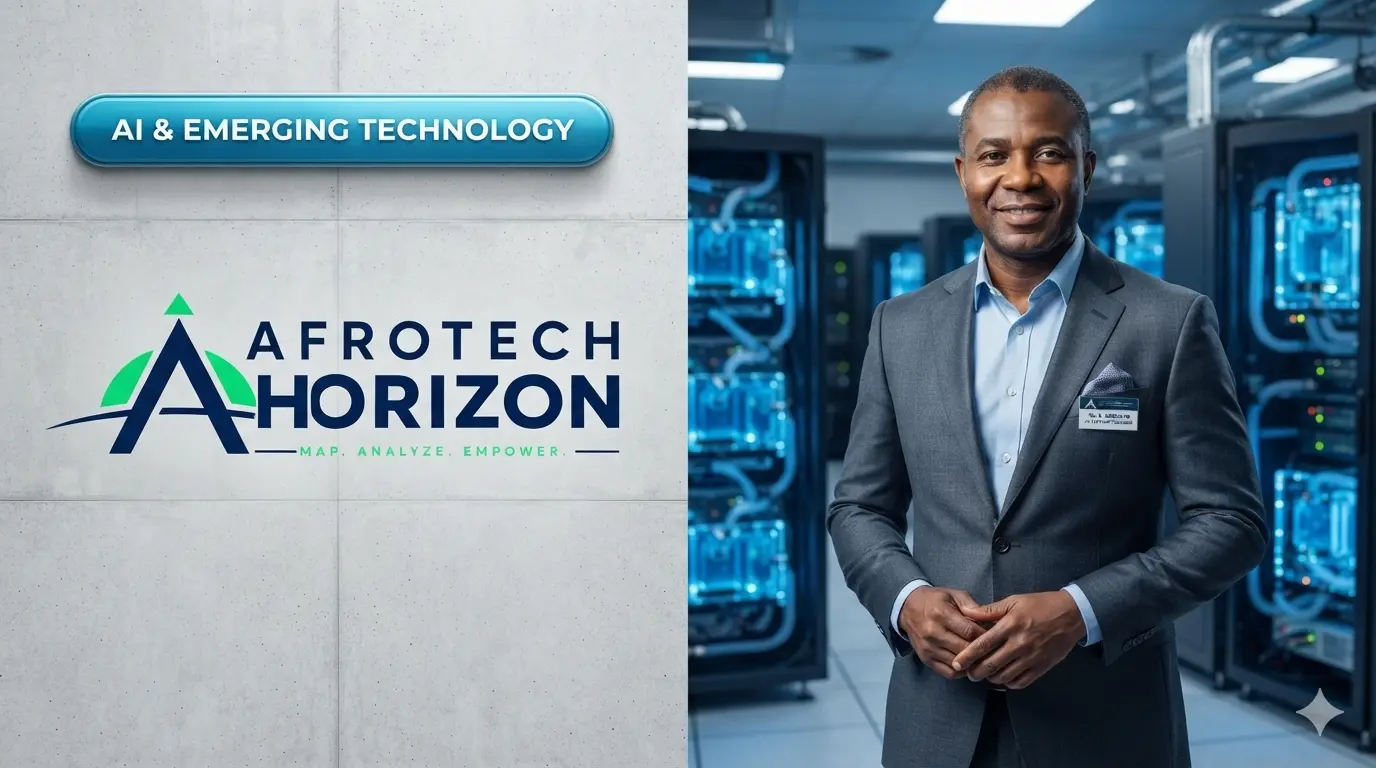
A lifelong fascination with mechanical and digital interfaces often shapes the trajectories of computing pioneers. From secretly experimenting on a mother's typewriter at six years old to engineering the complex architecture behind Europe's most advanced artificial intelligence supercomputers, this journey highlights how early technological curiosity scales into critical digital infrastructure.
From Mechanical Keyboards to High-Performance Compute Early encounters with mechanical inputs—such as tactile typewriter keys—fostered an intuitive understanding of mechanical feedback, structural systems, and automated workflows. Over time, that early passion shifted toward software engineering, parallel computing systems, and hardware optimization.
Key milestones across this technological evolution include:
Early Hardware Exploration: Transitioning from basic mechanical key inputs to early microcomputers, self-built computing rigs, and foundational software logic.
Supercomputing Architecture: Designing distributed computing clusters, high-speed interconnects, and cooling frameworks required for exascale computing systems.
European AI Infrastructure: Contributing to high-performance computing projects across European research centers, providing foundational compute capacity for enterprise and academic artificial intelligence workloads.
Powering Europe's Sovereign AI Capabilities Building supercomputers within the European ecosystem requires balancing massive computational throughput with stringent energy-efficiency standards and data sovereignty frameworks. Modern AI supercomputing installations integrate tens of thousands of specialized graphics processing units alongside high-density storage nodes to process foundational models, climate simulations, and complex scientific research.
To explore further insights on artificial intelligence infrastructure, compute hardware, and developer ecosystems across global markets, visit AfroTech Horizon.
The Evolution of Computational Scale The transition from individual mechanical keypresses to processing trillions of parameters per second highlights the exponential trajectory of modern technology. Continuous innovation in hardware density and data center architecture ensures European research networks remain at the forefront of global AI development.