
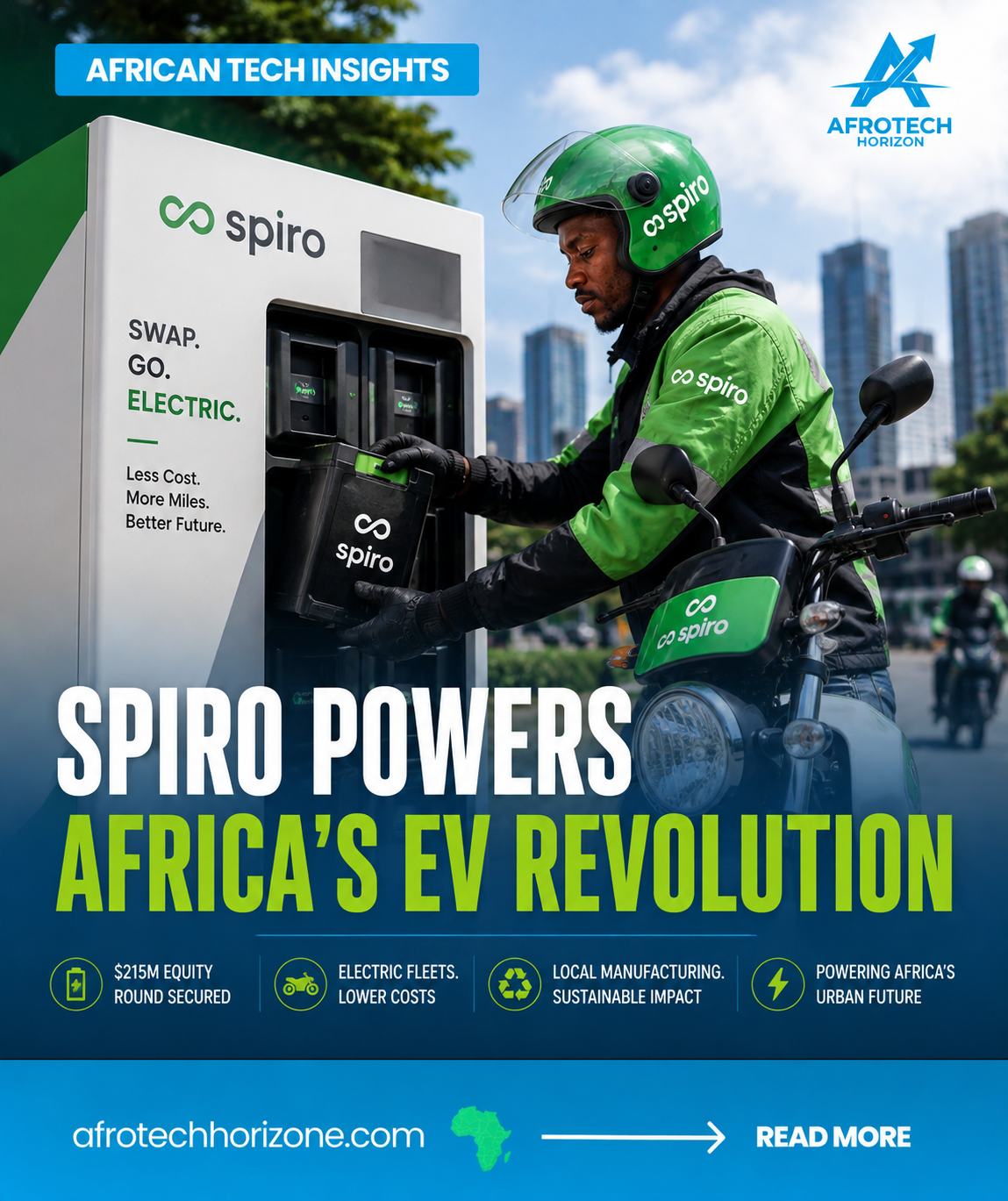
Commercial transport in emerging markets runs on razor-thin margins. A traditional motorcycle driver in Nairobi or Cotonou spends up to 40% of their daily earnings purely on petrol and mechanical maintenance. When fuel prices spike, their margins disappear completely. Electric mobility changes this math, but scaling physical vehicle fleets requires massive capital.
Why pay-as-you-swap beats traditional ownership
Selling an electric vehicle outright shifts the battery risk onto the driver. Spiro’s model removes that barrier by decoupling the vehicle from the battery. Drivers rent the motorcycle and swap depleted batteries at automated hubs in under two minutes. It gives gig workers a predictable daily cost structure, cuts operational expenses by nearly half, and removes the risk of battery degradation from their balance sheet.
How to scale hardware without burning out
Do not import finished goods indefinitely; local manufacturing is where margin resilience lives. Spiro deployed its $215M equity round toward regional assembly plants and localized battery recycling infrastructure across seven active markets. Scaling physical tech across borders requires owning the maintenance and supply chain, not just the software app.
The part that is not about transportation
Sub-Saharan cities are growing faster than their energy grids. Transitioning millions of commercial two-wheelers to electric mobility forces the buildout of distributed energy storage networks. Every battery swapping station acts as a localized power node, proving that green transition infrastructure in emerging markets can pay for itself while driving daily economic mobility.
Climate tech and electric mobility are no longer niche impact investments; they are becoming core, yield-generating physical infrastructure across African urban centers.
Read the official press announcement on ESG Today.