
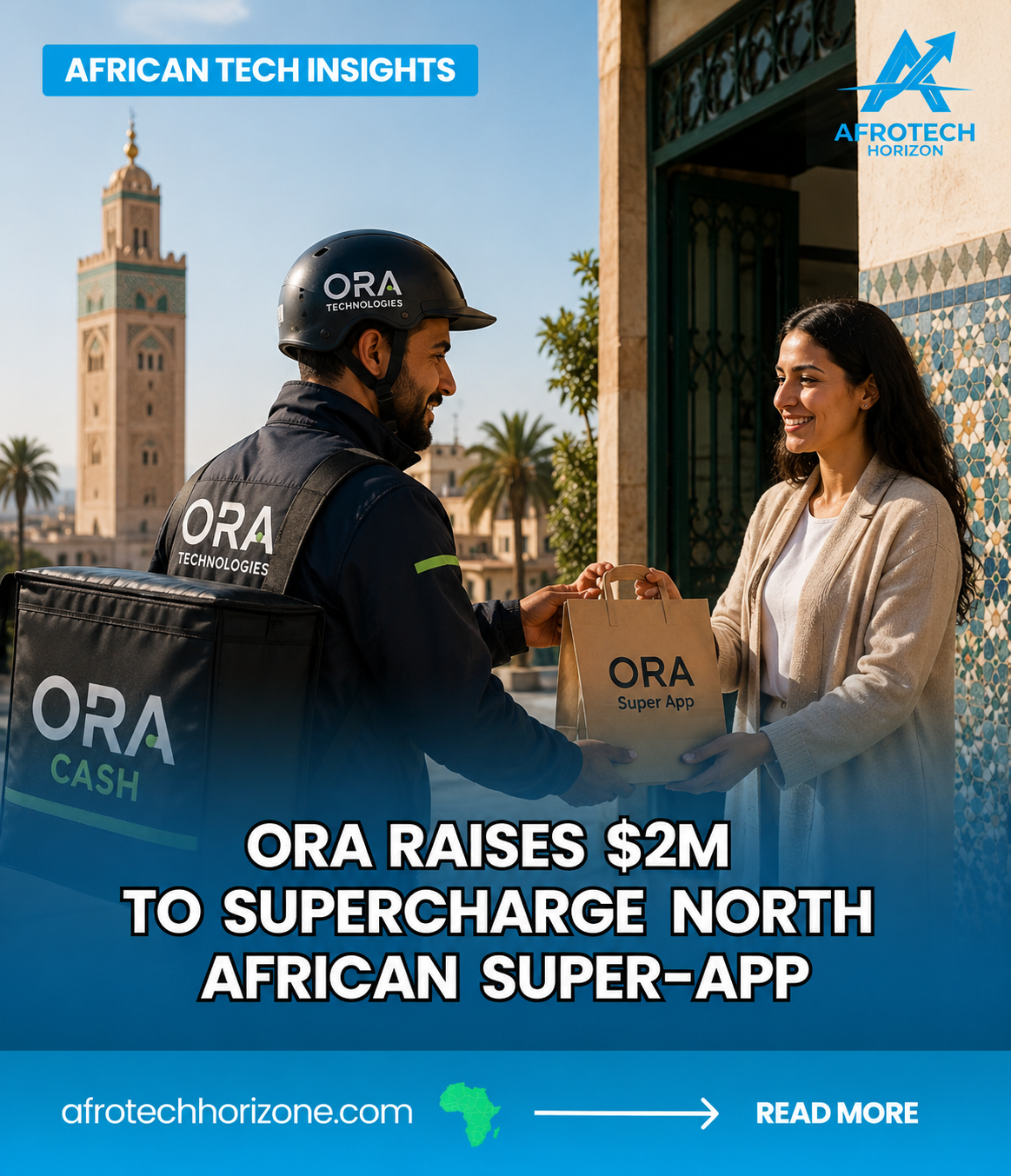
E-commerce adoption fails when digital payments are disconnected from delivery logistics. In markets dominated by cash-on-delivery, an app that only handles food ordering or only handles peer-to-peer payments leaves massive friction on the table. Unifying those touchpoints under one wallet builds consumer trust much faster.
Why ecosystem apps win in emerging digital markets Standalone apps suffer from high customer acquisition costs and low retention. ORA Technologies solved this by linking a licensed digital wallet (ORA Cash) directly with food delivery (KOUL) and e-commerce. High-frequency daily actions, like ordering lunch, drive wallet adoption; the digital wallet then lowers payment processing costs for its marketplace sellers.
How to expand without blowing capital
Do not rush into new countries before dominating secondary cities at home. ORA’s $2M Series A extension (bringing its total Series A to $10M) focuses on expanding merchant networks across secondary Moroccan municipalities before pushing into broader West Africa. Deep regional penetration creates a defensible moat that foreign competitors cannot easily clone.
The part that is not about food delivery
Cash economies carry invisible taxes: theft, manual accounting errors, and an inability to access formal bank credit. Every time a consumer pays for groceries or food through a local super-app, they build a digital transaction footprint. That footprint is what eventually opens the door to micro-loans, insurance, and formal financial access.
Super-app models that pair daily high-frequency utility (food delivery, social commerce) with domestic financial inclusion tools continue to capture market share across North Africa.